

Choosing the Best Patching Concrete Materials
TuffTex Materials Overview
TuffTex Materials is known for its high-quality, durable products designed for various applications. Their innovative solutions cater to both residential and commercial needs, ensuring that customers receive reliable and long-lasting materials.
Key Features of TuffTex Materials
Durability: TuffTex Materials are engineered to withstand harsh conditions.
Versatility: Suitable for a wide range of applications, from construction to home improvement.
Eco-friendly Options: Many products are designed with sustainability in mind.
Applications
Roofing
Flooring
Insulation
For those seeking reliable materials, TuffTex Materials offers an excellent choice that combines performance with sustainability.
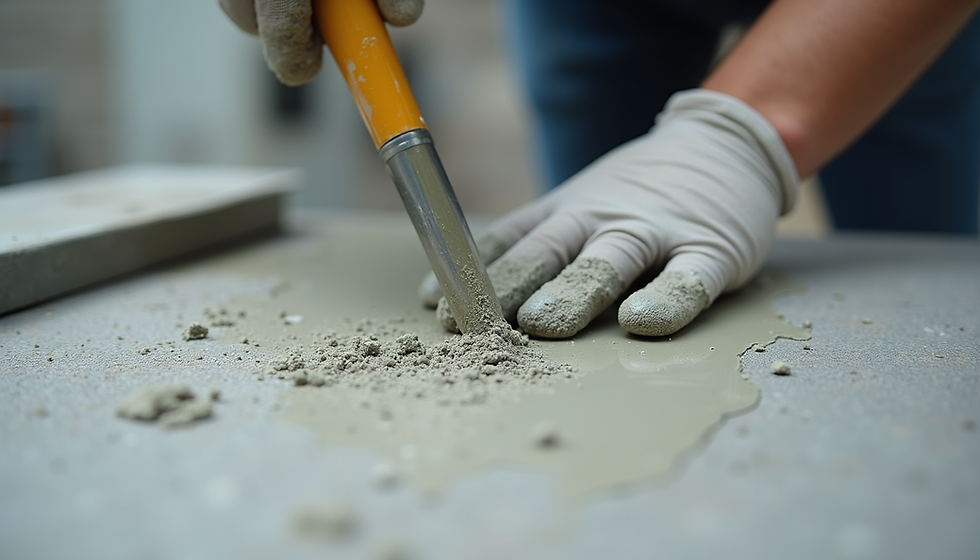
Concrete repair is a critical task. It demands the right materials. Using the wrong patching concrete materials leads to weak repairs. This causes more damage and higher costs. I will guide you through selecting the best materials for concrete patching. This will help you make informed decisions for durable repairs.
Understanding Patching Concrete Materials
Choosing the right concrete patching materials is not guesswork. It requires knowledge of the types available and their properties. The main types include
Cement-based patches: These are common. They bond well with existing concrete. They are strong and durable.
Polymer-modified patches: These have added polymers for flexibility and adhesion. They resist cracking better.
Epoxy patches: These are very strong and chemical resistant. They are ideal for industrial settings.
Vinyl concrete patches: These are easy to apply and good for small repairs.
Each type has pros and cons. The choice depends on the repair size, location, and exposure conditions.
Cement-Based Patches
Cement-based patches are the go-to for many projects. They are cost-effective and easy to use. They work well for cracks, spalls, and surface defects. These patches cure hard and bond tightly to the concrete substrate.
However, they can be brittle. They may crack under heavy stress or temperature changes. Adding fibers or polymers can improve their performance.
Polymer-Modified Patches
Polymer-modified patches contain additives that improve flexibility and adhesion. They handle movement and vibration better than plain cement patches. This makes them suitable for areas with heavy traffic or temperature swings.
They also resist water penetration. This helps prevent freeze-thaw damage. Polymer patches are more expensive but offer longer-lasting repairs.

Epoxy Patches
Epoxy patches are the strongest option. They bond chemically with concrete. They resist chemicals, abrasion, and impact. This makes them ideal for industrial floors, bridges, and highways.
Epoxy patches require careful surface preparation. They also have a limited working time before they harden. Proper training is needed for application.
Vinyl Concrete Patches
Vinyl patches are user-friendly. They come premixed or as powders. They are good for small holes and surface repairs. They dry quickly and are easy to shape.
They are not as strong as other patches. Use them only for minor repairs or cosmetic fixes.
Can you patch concrete with Quikrete?
Quikrete is a popular brand in the concrete repair market. It offers several patching products. The answer is yes, you can patch concrete with Quikrete. But you must choose the right product for your needs.
Quikrete’s Concrete Patch is designed for repairing cracks and spalls. It is cement-based and easy to apply. It bonds well and cures quickly. For larger repairs, Quikrete offers Fast-Setting Concrete Mix. This is ideal for structural fixes.
Quikrete also has Polymer-Modified Patching Compound. This product offers better flexibility and adhesion. It is suitable for areas with movement or vibration.
When using Quikrete, follow the instructions carefully. Surface preparation is key. Clean the area thoroughly and remove loose debris. Dampen the surface before applying the patch. This improves bonding.

Factors to Consider When Choosing Patching Materials
Several factors influence the choice of patching materials. Consider these carefully to ensure a successful repair.
Repair Size and Depth
Small cracks and surface defects need different materials than large holes or deep spalls. Thin patches work for minor fixes. Deep repairs require stronger, bulkier materials.
Environmental Exposure
Outdoor repairs face weather, freeze-thaw cycles, and chemicals. Choose materials that resist these conditions. Polymer-modified or epoxy patches are better outdoors.
Indoor repairs may not need such durability. Cement-based patches often suffice.
Load and Traffic
High-traffic areas need tough patches. Industrial floors, highways, and bridges require materials that resist abrasion and impact. Epoxy and polymer-modified patches are best here.
Low-traffic areas can use simpler materials.
Application Method
Some patches require mixing on-site. Others come premixed. Some need special tools or training. Choose materials that fit your crew’s skills and equipment.
Cure Time
Fast repairs need quick-setting materials. Some patches cure in hours. Others take days. Match the cure time to your project schedule.
Best Practices for Applying Concrete Patching Materials
Choosing the right material is only half the job. Proper application is crucial. Follow these steps for the best results:
Clean the surface: Remove dirt, dust, grease, and loose concrete.
Prepare the edges: Square off the repair area to improve bonding.
Dampen the surface: Prevents the substrate from absorbing water from the patch.
Mix the patch: Follow manufacturer instructions exactly.
Apply in layers: For deep repairs, apply in thin layers to avoid shrinkage cracks.
Finish the surface: Smooth or texture as needed.
Cure properly: Keep the patch moist and protected during curing.
Skipping any step can weaken the repair.
Why Quality Materials Matter
Using low-quality patching materials saves money upfront. But it costs more later. Poor materials lead to cracks, delamination, and failure. This means repeated repairs and downtime.
High-quality materials ensure:
Strong adhesion
Resistance to weather and chemicals
Flexibility to handle movement
Long service life
Investing in the right materials reduces maintenance costs. It improves safety and project reputation.
For large infrastructure projects, this is critical. Reliable repairs keep structures safe and functional.
Final Thoughts on Patching Concrete Materials
Selecting the best patching concrete materials is straightforward if you know what to look for. Match the material to the repair type, environment, and load. Follow proper application steps. Use quality products from trusted suppliers.
For durable, high-performance repairs, do not cut corners. The right materials and methods save time and money. They extend the life of concrete structures.
If you want reliable, top-notch concrete repair materials, consider suppliers who specialize in infrastructure projects. They understand the demands and provide products that meet high standards.
Choosing the best patching concrete materials is the foundation of successful concrete restoration.


Comments