

Fixing Concrete Cracks: Effective Solutions
Concrete cracks are a common problem in construction projects. They weaken structures and reduce durability. Fixing concrete cracks quickly and properly is essential. I will share practical methods and materials to repair cracks effectively. This guide focuses on solutions that meet the demands of large infrastructure projects.
Understanding Fixing Concrete Cracks
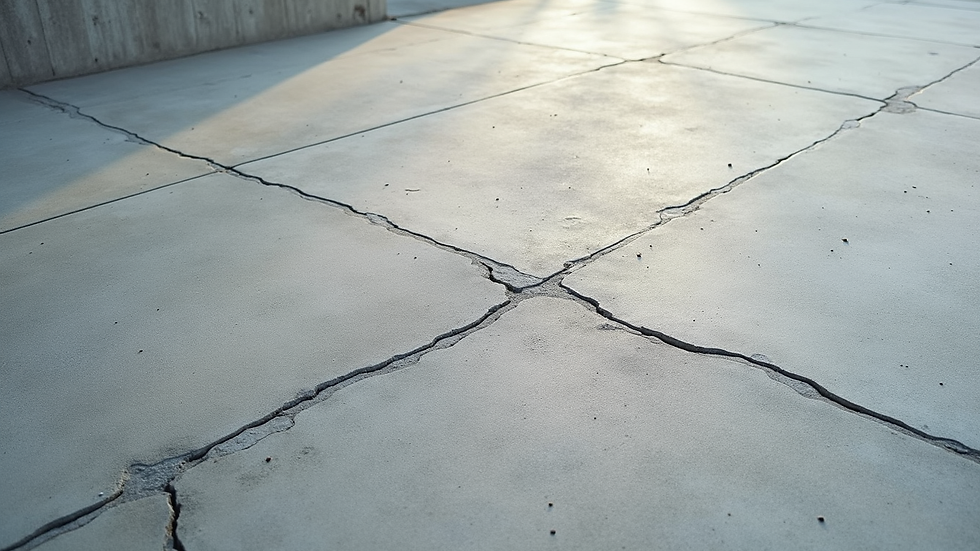
Concrete cracks form due to various reasons. These include shrinkage, temperature changes, heavy loads, and ground movement. Identifying the cause helps choose the right repair method. Cracks can be hairline, structural, or surface-level. Each type requires a different approach.
For example, hairline cracks often result from drying shrinkage. These are usually less serious but still need sealing to prevent water intrusion. Structural cracks indicate deeper problems and need thorough repair. Surface cracks affect appearance and may lead to further damage if ignored.
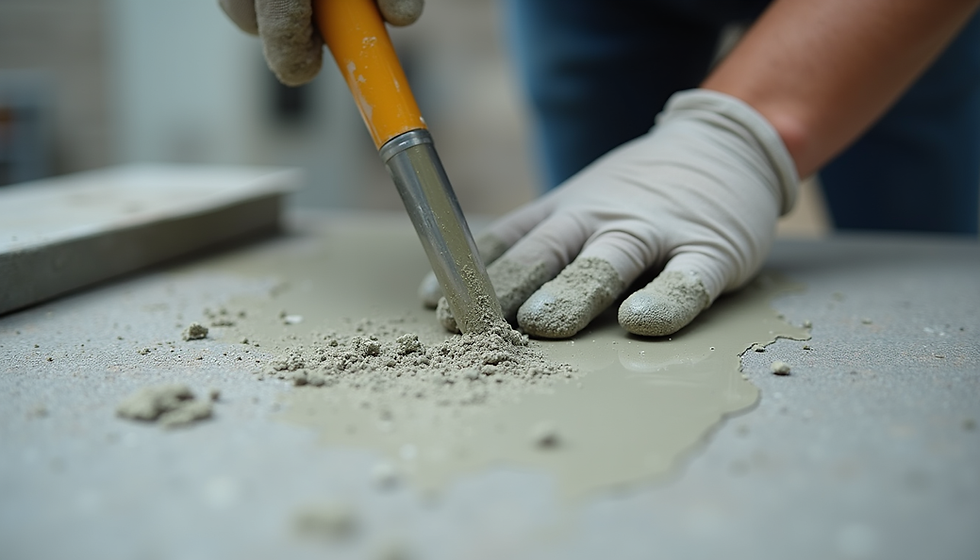
Before starting repairs, clean the crack thoroughly. Remove dirt, debris, and loose concrete. Use a wire brush or compressed air. This ensures good adhesion of repair materials. Proper surface preparation is critical for long-lasting results.
Methods for Fixing Concrete Cracks
There are several effective methods to fix concrete cracks. The choice depends on crack size, depth, and location. Here are the most common techniques:
Epoxy Injection
Epoxy injection is ideal for narrow cracks under 0.25 inches wide. It restores structural integrity by bonding the crack edges. The process involves injecting low-viscosity epoxy into the crack under pressure. This seals the crack and prevents water penetration.
Routing and Sealing
This method suits wider cracks. First, enlarge the crack with a grinder or saw to create a uniform groove. Then, fill the groove with a flexible sealant like polyurethane or silicone. This allows for movement and prevents further cracking.
Stitching
Stitching involves drilling holes on both sides of the crack and installing metal staples or stitches. These hold the crack together and prevent it from widening. After stitching, fill the crack with epoxy or mortar.
Overlay or Surface Coating
For surface cracks, applying a concrete overlay or coating can restore the surface. Use polymer-modified concrete or cementitious coatings. These materials bond well and provide a durable finish.
Polyurethane Foam Injection
Polyurethane foam is used for cracks that leak water. It expands to fill voids and stops water flow. This method is common in below-grade repairs like basements and tunnels.
Each method has pros and cons. Choose based on the crack’s characteristics and project requirements.

What is the Best Concrete Crack Filler?
Selecting the best concrete crack filler depends on the crack type and environment. Here are some top options:
Epoxy Resins: Best for structural cracks. They provide high strength and durability. Epoxy fillers bond tightly and restore load-bearing capacity.
Polyurethane Sealants: Ideal for cracks exposed to moisture. They remain flexible and resist water penetration. Polyurethane fillers accommodate movement without cracking.
Cementitious Fillers: Used for non-structural cracks and surface repairs. These are easy to apply and cost-effective. They work well for patching and resurfacing.
Silicone Sealants: Suitable for small, non-structural cracks. Silicone remains flexible and resists weathering.
Acrylic Sealants: Good for decorative concrete and minor cracks. Acrylic fillers are paintable and UV resistant.
For large infrastructure projects, epoxy and polyurethane fillers are preferred. They offer the best performance under heavy loads and harsh conditions. Always check product specifications for compatibility with your concrete type and environment.
Tools and Materials Needed for Repair
To fix concrete cracks efficiently, gather the right tools and materials. Here is a checklist:
Wire brush or grinder for cleaning cracks
Compressed air or vacuum for debris removal
Crack filler (epoxy, polyurethane, or cementitious)
Injection gun or caulking gun for applying filler
Mixing tools for two-part fillers
Protective gear (gloves, goggles, mask)
Trowel or putty knife for smoothing
Drill and stitching staples (if using stitching method)
Using proper tools ensures a clean, professional repair. Follow manufacturer instructions for mixing and application. This guarantees the best adhesion and durability.
Maintaining Repairs and Preventing Future Cracks
Fixing cracks is only part of the solution. Maintenance and prevention are crucial for long-term success. Here are key steps:
Regular Inspections: Check concrete surfaces periodically for new cracks or signs of damage. Early detection allows for quick repairs.
Control Joints: Install control joints to manage cracking caused by shrinkage and temperature changes. These joints direct cracks to predetermined locations.
Proper Curing: Ensure concrete is cured correctly after pouring. Proper curing reduces shrinkage cracks.
Drainage Management: Prevent water accumulation near concrete structures. Water can cause freeze-thaw damage and erosion.
Load Management: Avoid overloading concrete surfaces beyond design limits. Excessive loads cause stress cracks.
Use Quality Materials: Select high-performance repair materials designed for durability and strength. This improves repair lifespan.
By combining effective repair techniques with preventive measures, concrete structures remain strong and reliable.
Fixing concrete cracks requires knowledge, skill, and the right materials. Using proven methods like epoxy injection, routing and sealing, or stitching ensures durable repairs. Selecting the best filler depends on crack type and conditions. Proper tools and maintenance extend the life of repairs. For reliable concrete crack repair, choose materials designed for heavy-duty infrastructure projects. This approach protects investments and maintains structural integrity over time.


Comments