

Top Materials for Concrete Restoration: Restoration Materials Guide
Concrete Restoration with TuffTex Materials
Concrete restoration is a critical task. It demands the right materials to ensure durability and performance. Choosing the correct materials can extend the life of concrete structures. It can also reduce maintenance costs and improve safety.
Top Materials Used in Concrete Restoration
Epoxy Resins: Ideal for bonding and sealing cracks.
Polyurethane Sealants: Flexible and water-resistant, perfect for outdoor applications.
Concrete Overlays: Used to rejuvenate and repair surfaces.
Fiber Reinforcement: Enhances the strength and durability of concrete mixtures.
Repair Mortars: Designed for patching and repairing damaged areas.
By utilizing the right products from TuffTex Materials, you can ensure your concrete restoration projects are successful and long-lasting.
Restoration Materials Guide: Key Components for Concrete Repair
Concrete restoration requires materials that can withstand harsh conditions. These materials must bond well with existing concrete. They should resist cracking, shrinkage, and environmental damage. Here are the main types of materials used:
Epoxy Resins: These are strong adhesives. They fill cracks and bond broken concrete parts. Epoxy resins provide excellent chemical resistance and durability.
Polyurethane Foams: Used for lifting and stabilizing sunken concrete slabs. They expand and harden quickly.
Cementitious Repair Mortars: These are cement-based mixes designed for patching and resurfacing. They offer good adhesion and strength.
Acrylic Coatings: These provide a protective layer on concrete surfaces. They resist water and UV damage.
Silane and Siloxane Sealers: Penetrating sealers that protect concrete from water and chloride intrusion.
Each material has a specific role. Selecting the right one depends on the type of damage and the environment.

How to Choose the Right Concrete Restoration Materials
Choosing the right materials is not guesswork. It requires understanding the project needs. Here are factors to consider:
Type of Damage: Cracks, spalling, scaling, or structural failure require different materials.
Environmental Exposure: Exposure to chemicals, freeze-thaw cycles, or heavy traffic affects material choice.
Application Method: Some materials need special equipment or skilled labor.
Curing Time: Fast-setting materials reduce downtime.
Compatibility: Materials must bond well with existing concrete.
For example, epoxy resins are ideal for crack injection. Cementitious mortars work well for surface repairs. Polyurethane foam is best for slab lifting. Understanding these factors ensures the restoration lasts.
What is the Best Material to Resurface Concrete?
Resurfacing concrete requires a material that bonds well and provides a smooth finish. The best materials for resurfacing include:
Polymer-Modified Cementitious Overlays: These combine cement with polymers to improve adhesion and flexibility. They resist cracking and wear.
Microtoppings: Thin layers of polymer-modified cement that restore surface texture and appearance.
Epoxy Coatings: Provide a durable, chemical-resistant surface. Suitable for industrial floors.
Acrylic Resurfacing Products: Offer UV resistance and color options for decorative finishes.
Polymer-modified cementitious overlays are often the top choice. They balance strength, durability, and ease of application. They also handle temperature changes and moisture well.
Benefits of Using High-Quality Concrete Restoration Materials
Using high-quality materials pays off. Here are the key benefits:
Longevity: Durable materials extend the life of concrete structures.
Cost Savings: Fewer repairs and less maintenance reduce expenses.
Safety: Restored concrete reduces hazards like tripping or structural failure.
Aesthetic Improvement: Materials can restore or enhance the appearance.
Environmental Resistance: Quality materials withstand weather, chemicals, and wear.
Investing in top-grade materials is essential for large infrastructure projects. It ensures the structure performs well under heavy use and harsh conditions.
Practical Tips for Applying Concrete Restoration Materials
Proper application is as important as material choice. Follow these tips:
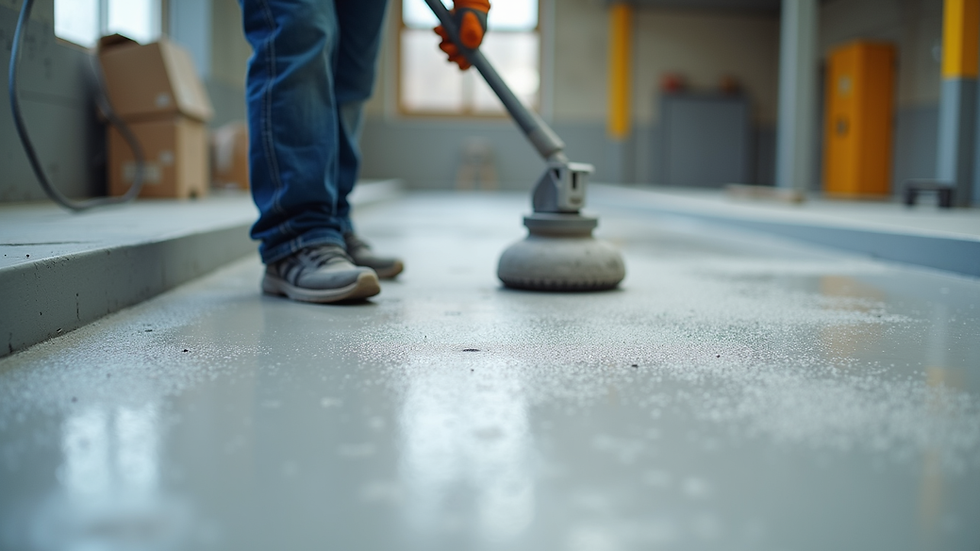
Surface Preparation: Clean and remove loose debris. Roughen smooth surfaces for better bonding.
Mixing: Follow manufacturer instructions precisely. Avoid adding excess water.
Application Conditions: Apply materials within recommended temperature and humidity ranges.
Layer Thickness: Do not exceed maximum thickness per layer. Apply multiple layers if needed.
Curing: Allow adequate curing time. Protect from rapid drying or freezing.
Proper technique maximizes the performance of restoration materials. It prevents premature failure and ensures a strong bond.
Final Thoughts on Concrete Restoration Materials
Selecting and using the right materials is non-negotiable. It impacts the durability and safety of concrete structures. Use this guide to identify the best options for your projects. Remember to consider damage type, environment, and application methods. Always prioritize quality and proper installation.
For reliable and durable solutions, explore trusted concrete restoration materials. They provide the performance needed for demanding infrastructure projects.
Restoration is an investment. Choose wisely. Choose materials that last.


Comments