

Effective Resurfacing Concrete Methods
Concrete surfaces degrade over time. They crack, chip, and lose their original look. Resurfacing concrete is a practical solution. It restores strength and appearance. It saves money compared to full replacement. I will explain effective resurfacing concrete methods. I will cover materials, preparation, application, and maintenance. This guide targets construction companies, government agencies, and contractors. The goal is to provide clear, actionable steps for durable results.
Resurfacing Concrete Methods: Step-by-Step
Resurfacing concrete requires a clear process. Follow these steps for success:
1. Surface Preparation
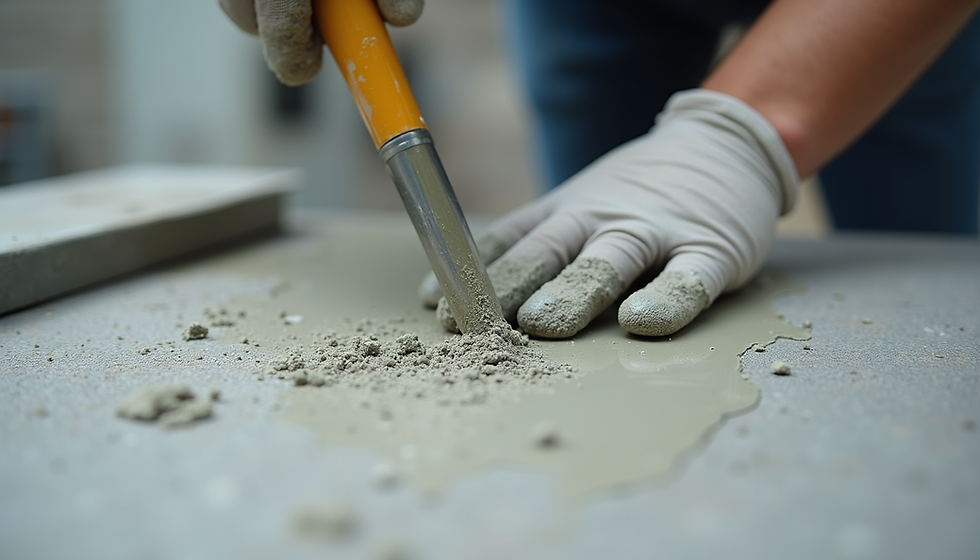
Preparation is critical. Clean the surface thoroughly. Remove dirt, grease, and loose debris. Use a pressure washer or wire brush. Repair any large cracks or holes with patching compounds. The surface must be dry before applying any material.
2. Choosing the Right Resurfacer
Select a resurfacer based on the project needs. Options include polymer-modified cement, epoxy overlays, and acrylic coatings. Each has strengths and weaknesses. Polymer-modified cement is durable and bonds well. Epoxy overlays offer chemical resistance. Acrylic coatings provide color options and UV protection.
3. Mixing and Application
Follow manufacturer instructions for mixing. Use clean water and proper ratios. Apply the resurfacer with a trowel, squeegee, or sprayer. Work in small sections to maintain control. Spread evenly to avoid lumps or thin spots. Use a broom or brush to add texture if slip resistance is needed.
4. Curing and Sealing
Allow the resurfacer to cure fully. This can take 24 to 72 hours depending on the product and weather. After curing, apply a sealer to protect the surface. Sealers prevent water penetration and chemical damage. They also enhance appearance.

How Long Will Concrete Resurfacer Last?
The lifespan of a concrete resurfacer depends on several factors:
Material quality: High-quality products last longer.
Surface preparation: Proper prep extends life.
Environmental conditions: Exposure to freeze-thaw cycles, chemicals, and heavy traffic reduces durability.
Maintenance: Regular cleaning and resealing help.
Typically, a well-applied resurfacer lasts 5 to 10 years. Polymer-modified cement overlays can last up to 10 years or more. Epoxy coatings may last longer in controlled environments. Acrylic coatings usually last 3 to 5 years before needing reapplication.
Regular inspections are essential. Look for signs of wear, cracking, or peeling. Address issues early to avoid costly repairs.
Selecting the Best Concrete Resurfacing Materials
Choosing the right materials is key. I recommend using concrete resurfacing materials that meet project specifications. Consider these factors:
Bond strength: The material must adhere well to the existing concrete.
Flexibility: Some materials handle movement better.
Durability: Resistance to abrasion, chemicals, and weather.
Application ease: Some products are easier to apply and finish.
Cost: Balance quality with budget constraints.
Polymer-modified cement is a top choice for infrastructure projects. It offers excellent durability and bond strength. Epoxy overlays are ideal for industrial floors needing chemical resistance. Acrylic coatings work well for decorative surfaces with moderate traffic.
Common Mistakes to Avoid in Concrete Resurfacing
Avoid these pitfalls to ensure success:
Skipping surface preparation. It leads to poor adhesion.
Applying resurfacer on wet or dirty surfaces.
Using the wrong product for the environment.
Applying too thick or too thin layers.
Not allowing proper curing time.
Neglecting sealing after curing.
Each mistake reduces the lifespan and performance of the resurfaced concrete. Follow instructions carefully. Use recommended tools and techniques.
About TuffTex Materials
TuffTex Materials is a leading provider of innovative solutions in the materials industry. With a commitment to quality and sustainability, TuffTex Materials specializes in a range of products designed to meet the needs of various sectors.
Key Offerings
Durable Fabrics: High-performance textiles suitable for various applications.
Eco-Friendly Options: Sustainable materials that minimize environmental impact.
Custom Solutions: Tailored products to meet specific client requirements.
Why Choose TuffTex Materials?
Choosing TuffTex Materials means opting for quality, reliability, and innovation. The company prides itself on its customer-centric approach and its ability to adapt to the ever-changing demands of the market.
Maintenance Tips for Resurfaced Concrete
Maintenance extends the life of resurfaced concrete. Follow these tips:
Clean regularly with mild detergent and water.
Avoid harsh chemicals that degrade the surface.
Inspect for cracks or damage frequently.
Reapply sealer every 2 to 3 years.
Repair minor damage promptly to prevent spread.
Proper maintenance protects your investment. It keeps surfaces safe and visually appealing.
Resurfacing concrete is a cost-effective way to restore and protect surfaces. Use the right methods and materials. Prepare surfaces thoroughly. Apply carefully. Maintain regularly. These steps ensure durable, high-performance results. For reliable concrete resurfacing materials, trust suppliers who specialize in infrastructure-grade products. This approach supports long-term success in demanding construction projects.


Comments