

Quick and Effective Rapid Concrete Repair Methods
Concrete structures face constant wear and tear. Cracks, spalling, and surface damage can compromise safety and durability. Rapid concrete repair is essential to restore strength and extend service life. I will share practical methods that deliver fast, reliable results. These techniques suit large infrastructure projects and demanding environments.
Understanding Rapid Concrete Repair
Rapid concrete repair focuses on speed and durability. The goal is to fix damage quickly without sacrificing quality. This approach minimizes downtime and reduces costs. It also prevents further deterioration.
Common issues include:
Cracks from shrinkage or load stress
Surface scaling and spalling
Corrosion of embedded steel
Joint failures
Each problem requires a tailored repair method. Rapid repair materials are designed to set and cure quickly. They bond well with existing concrete and resist harsh conditions.

Best Materials for Rapid Concrete Repair
Choosing the right material is critical. Rapid-setting cementitious products are popular. They harden within minutes to hours. Epoxy and polyurethane injections work well for crack sealing. Polymer-modified mortars offer excellent adhesion and flexibility.
Key material types:
Rapid-Setting Cement Mortars
Set in 15-30 minutes
High early strength
Suitable for patching and resurfacing
Epoxy Injection Resins
Penetrate fine cracks
Restore structural integrity
Chemical resistant
Polyurethane Foams
Fill voids and cracks
Waterproof and flexible
Fast curing
Polymer-Modified Repair Mortars
Improved bonding
Resistant to freeze-thaw cycles
Durable finish
Using these materials correctly ensures a long-lasting repair. Always follow manufacturer instructions for mixing and application.
How to use fast concrete repair?
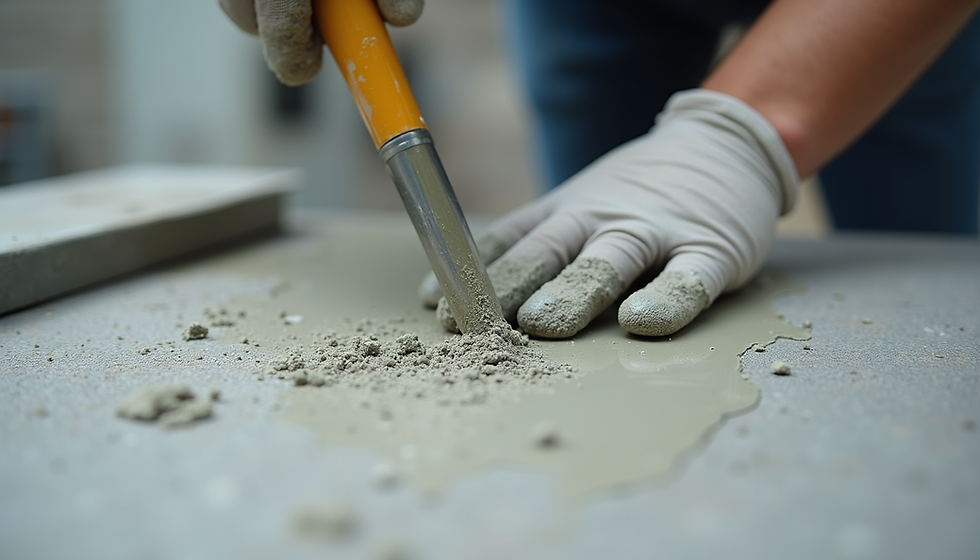
Applying fast concrete repair materials requires preparation and precision. Start by cleaning the damaged area thoroughly. Remove loose debris, dust, and contaminants. For cracks, widen them slightly to allow better material penetration.
Steps for application:
Surface Preparation: Use wire brushes, grinders, or water blasting.
Mixing: Combine repair material as per guidelines. Avoid over or under mixing.
Application: Use trowels, injectors, or pumps depending on the product.
Curing: Protect the repair from rapid drying. Use curing compounds or wet coverings.
For cracks, epoxy injection is effective. Drill entry and exit holes, then inject resin under pressure. For surface repairs, apply mortar in layers if needed. Rapid-setting materials allow reopening the area quickly.

Techniques for Rapid Concrete Repair
Several techniques deliver fast and effective results. Choose based on damage type and location.
Crack Injection: Best for structural cracks. Epoxy or polyurethane injected to seal and bond.
Patching: For spalled or damaged areas. Use rapid-setting mortar to fill and smooth.
Overlay and Resurfacing: Apply thin polymer-modified layers to restore surface integrity.
Shotcrete: Pneumatic application of repair mortar for large areas or overhead repairs.
Cathodic Protection: For corrosion control in reinforced concrete.
Each method requires skilled application. Proper surface prep and curing are vital. Rapid repair materials reduce downtime but do not replace thorough workmanship.
Benefits of Rapid Concrete Repair
Rapid concrete repair offers clear advantages:
Minimized Downtime: Quick setting materials allow fast reopening of roads, bridges, or facilities.
Cost Savings: Early repairs prevent costly structural failures.
Durability: Modern materials resist weather, chemicals, and mechanical stress.
Safety: Restores structural integrity promptly, reducing hazards.
Versatility: Suitable for various damage types and environments.
Using fast concrete repair solutions ensures projects stay on schedule. It supports long-term infrastructure resilience.
Planning for Effective Concrete Repairs
Successful rapid repair starts with planning. Assess damage thoroughly. Identify root causes to prevent recurrence. Select materials and methods that match site conditions.
Consider:
Environmental exposure
Load and traffic conditions
Repair size and depth
Access and safety requirements
Document the repair process. Monitor repaired areas regularly. Early detection of new issues allows timely intervention.
Rapid concrete repair is a practical necessity for maintaining infrastructure. Using the right materials and techniques ensures repairs are fast, effective, and durable. This approach supports long-term performance and safety. Prioritize preparation, follow best practices, and choose proven products. This strategy will keep concrete structures strong and reliable.


Comments