

Top Materials for Concrete Restoration - Restoration Materials Guide
Concrete restoration is a critical task. It demands the right materials to ensure durability and performance. Choosing the best materials can extend the life of concrete structures. It can also reduce maintenance costs. I will walk you through the top materials used in concrete restoration. This guide will help you make informed decisions for your projects.
Restoration Materials Guide: Key Options for Concrete Repair
Concrete restoration requires materials that can withstand harsh conditions. These materials must bond well with existing concrete. They should resist cracking, shrinkage, and environmental damage. Here are some of the most reliable options:
Epoxy Resins: Epoxy is a strong adhesive. It bonds tightly to concrete surfaces. It is ideal for filling cracks and sealing joints. Epoxy resins provide excellent chemical resistance. They are perfect for industrial floors and infrastructure exposed to chemicals.
Polyurethane Sealants: These sealants are flexible. They accommodate movement in concrete without cracking. Polyurethane is water-resistant and durable. It works well for sealing expansion joints and surface cracks.
Cementitious Repair Mortars: These mortars are made from cement and additives. They are easy to apply and cure quickly. Cementitious mortars are suitable for patching damaged concrete. They restore structural integrity and surface smoothness.
Acrylic Coatings: Acrylic coatings protect concrete surfaces from weathering. They are UV resistant and prevent water penetration. Acrylics are often used on bridges and parking decks.
Silane and Siloxane Water Repellents: These materials penetrate concrete to repel water. They reduce moisture absorption without altering the surface appearance. Silane and siloxane treatments help prevent freeze-thaw damage.
Each material has specific uses. Selecting the right one depends on the type of damage and environmental conditions.
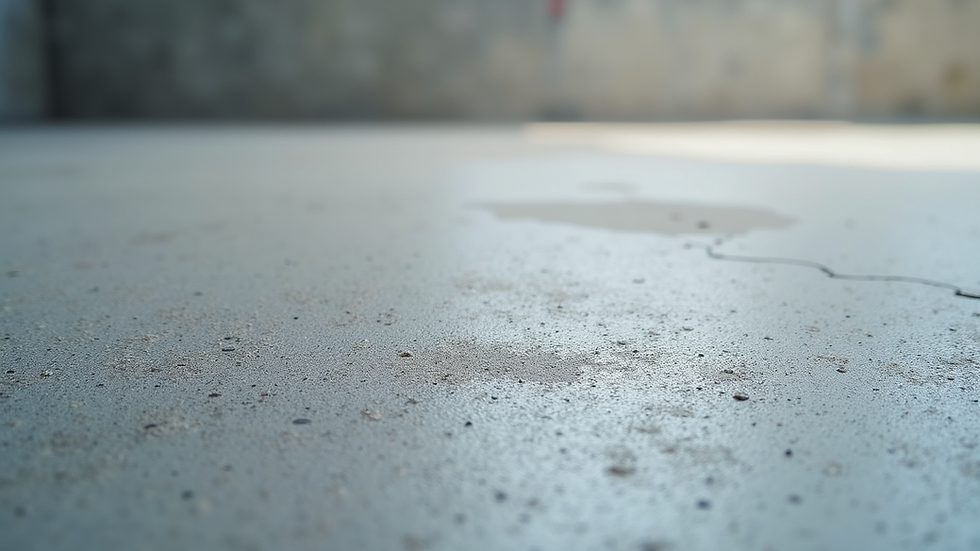
What is the best material to resurface concrete?
Resurfacing concrete requires a material that bonds well and restores surface integrity. The best material depends on the project requirements. Here are the top contenders:
Polymer-Modified Cementitious Overlays
These overlays combine cement with polymers. The polymers improve adhesion and flexibility. They are ideal for resurfacing worn or damaged concrete floors. They provide a durable, smooth finish.
Epoxy Overlays
Epoxy overlays offer a hard, chemical-resistant surface. They are suitable for industrial and commercial floors. Epoxy overlays resist abrasion and staining.
Microtoppings
Microtoppings are thin cement-based coatings. They can be applied in thin layers to restore surface texture. Microtoppings are often used for decorative finishes as well.
Polyurethane Coatings
These coatings provide a flexible, waterproof surface. They are good for areas exposed to moisture and temperature changes.
For most heavy-duty applications, polymer-modified cementitious overlays are the best choice. They balance strength, adhesion, and ease of application.
Essential Properties to Look for in Restoration Materials
When selecting materials, focus on these key properties:
Adhesion: The material must bond strongly to existing concrete. Poor adhesion leads to failure.
Durability: It should resist wear, chemicals, and weathering.
Flexibility: Some movement in concrete is normal. Materials that can flex without cracking perform better.
Water Resistance: Preventing water penetration is crucial to avoid freeze-thaw damage.
Ease of Application: Materials that are easy to mix and apply save time and labor costs.
Curing Time: Faster curing materials allow quicker project completion.
Always check technical data sheets for these properties before purchase.
Application Tips for Effective Concrete Restoration
Proper application is as important as material choice. Follow these steps for best results:
Surface Preparation
Clean the concrete thoroughly. Remove dirt, oil, and loose particles. Use sandblasting or pressure washing if needed.
Repair Cracks and Holes
Fill cracks with epoxy or polyurethane sealants. Patch holes with cementitious mortars.
Apply Primer
Some materials require a primer to improve adhesion. Follow manufacturer instructions.
Mix Materials Correctly
Use the right water-to-material ratio. Mix thoroughly to avoid lumps.
Apply Evenly
Use trowels, brushes, or sprayers as recommended. Ensure uniform thickness.
Cure Properly
Protect the surface from extreme temperatures and moisture during curing.
Inspect and Maintain
Regular inspections help catch new damage early. Perform maintenance as needed.
Following these steps ensures a long-lasting restoration.

Why Quality Materials Matter in Large Infrastructure Projects
Large infrastructure projects demand materials that perform under stress. Bridges, highways, and public buildings face heavy loads and harsh environments. Using inferior materials leads to premature failure. This increases repair costs and downtime.
High-quality materials provide:
Long-Term Durability
Resistance to Environmental Damage
Reduced Maintenance Frequency
Improved Safety and Structural Integrity
Choosing the right concrete restoration materials is an investment. It protects infrastructure and reduces lifecycle costs.
Final Thoughts on Selecting Concrete Restoration Materials
Concrete restoration is a complex task. It requires materials that meet specific performance criteria. Epoxy resins, polyurethane sealants, cementitious mortars, acrylic coatings, and water repellents all have roles. Polymer-modified overlays often lead resurfacing projects.
Focus on adhesion, durability, flexibility, and water resistance. Follow proper application procedures. Use quality materials designed for heavy-duty use.
This approach ensures restored concrete that lasts. It supports the success of large infrastructure projects. It also builds a reputation for reliability and performance in the construction industry.


Comments