

Austin Concrete Restoration: Durable Solutions for Infrastructure Projects
Concrete is the backbone of many infrastructure projects. It supports roads, bridges, buildings, and public spaces. Over time, concrete can crack, chip, or deteriorate. This damages the structure and creates safety risks. It also increases maintenance costs. That is why effective concrete restoration is essential. It extends the life of concrete and keeps projects safe and functional.
Understanding Austin Concrete Restoration Needs
Austin’s climate and soil conditions affect concrete durability. The hot summers and occasional heavy rains cause expansion and contraction. This leads to cracks and surface damage. Additionally, the soil in Austin can shift, causing uneven settling. This puts stress on concrete slabs and foundations.
Restoration projects in Austin must address these challenges. Materials and methods must be chosen carefully. They need to withstand heat, moisture, and soil movement. Using the right products ensures long-lasting repairs.
Concrete restoration in Austin requires:
High-performance repair materials
Flexible and durable coatings
Proper surface preparation
Skilled application techniques
These factors combine to deliver strong, reliable results. They prevent further damage and reduce the need for frequent repairs.

Common Concrete Restoration Techniques
There are several proven methods to restore concrete. Each method suits different types of damage and project requirements. Here are the most common techniques used in Austin:
Crack Injection
This method fills cracks with epoxy or polyurethane. It seals the crack and restores structural integrity. It is ideal for narrow cracks that do not affect the surface much.
Surface Patching
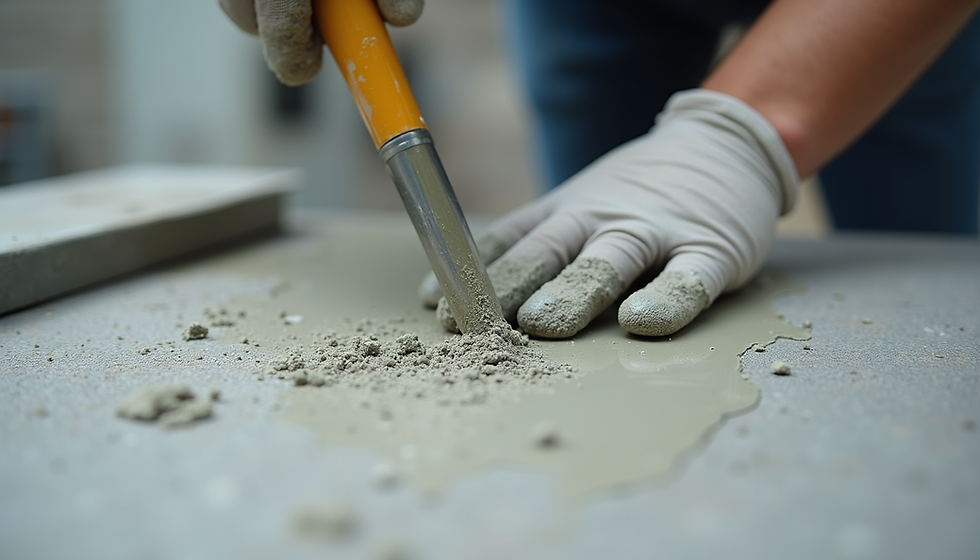
Damaged areas are chipped out and replaced with repair mortar. This method fixes spalling, scaling, and surface defects. It restores a smooth, even surface.
Overlay and Resurfacing
A thin layer of concrete or polymer-modified material is applied over the existing surface. This covers minor damage and improves appearance. It also adds a protective layer.
Concrete Grinding and Polishing
This technique smooths rough or uneven surfaces. It removes surface imperfections and prepares the concrete for coatings or sealers.
Protective Coatings and Sealers
Applying coatings protects concrete from moisture, chemicals, and abrasion. Sealers penetrate the surface to reduce water absorption and freeze-thaw damage.
Choosing the right technique depends on the extent of damage, location, and project goals. Combining methods often yields the best results.
Is it Cheaper to Replace or Repair Concrete?
Deciding between replacement and repair is critical. It affects project budgets and timelines. Here are key points to consider:
Repair is usually cheaper than full replacement. It uses less material and labor.
Repair extends the life of existing concrete. It delays costly demolition and reconstruction.
Replacement is necessary when damage is severe. For example, when structural integrity is compromised.
Repair methods can be tailored to specific problems. This targeted approach saves money.
Replacement requires more downtime. It disrupts project schedules and operations.
In most cases, repairing concrete is the smarter choice. It balances cost, time, and durability. However, thorough inspection is essential. It helps identify when replacement is unavoidable.
Selecting Materials for Concrete Restoration in Austin
Material choice is crucial for successful restoration. Austin’s environment demands high-quality products. Here are some recommendations:
Polymer-modified mortars offer excellent adhesion and flexibility. They resist cracking and shrinkage.
Epoxy injection resins provide strong bonding for crack repair. They restore structural strength.
Silane or siloxane sealers penetrate deeply. They protect against water and chemical intrusion.
Acrylic or polyurethane coatings create durable, abrasion-resistant surfaces.
Corrosion inhibitors protect embedded steel reinforcement from rust.
Using inferior materials leads to premature failure. It increases maintenance costs and risks. Always select products designed for heavy-duty infrastructure use.

Best Practices for Concrete Restoration Projects
Successful restoration requires more than materials. It demands proper planning and execution. Follow these best practices:
Thorough assessment: Inspect the concrete to identify all damage types and causes.
Surface preparation: Clean and roughen surfaces for better adhesion.
Moisture control: Ensure the concrete is dry before applying repair materials.
Correct mixing and application: Follow manufacturer instructions precisely.
Curing: Allow adequate curing time to achieve full strength.
Quality control: Monitor the work to maintain standards.
Safety compliance: Follow all safety regulations on site.
These steps ensure durable, high-performance restoration. They reduce the risk of future problems.
Why Choose TuffTex Materials for Your Austin Projects
TuffTex Materials specializes in supplying top-grade concrete restoration products. We understand the demands of large infrastructure projects. Our products are tested for durability and performance in Austin’s conditions.
We offer:
A wide range of repair mortars, coatings, and sealers
Technical support and product guidance
Reliable delivery and inventory management
Competitive pricing for bulk orders
Partnering with TuffTex means access to trusted materials. It means fewer delays and better project outcomes. We aim to be the go-to supplier for concrete restoration austin.
Planning Your Next Concrete Restoration Project
Start with a clear plan. Define the scope and budget. Conduct a detailed inspection. Choose the right restoration methods and materials. Work with experienced contractors and suppliers.
Regular maintenance after restoration is key. Schedule inspections and minor repairs. This keeps concrete in good condition longer.
Investing in quality restoration saves money. It protects infrastructure and public safety. It supports sustainable construction practices.
Concrete restoration is a critical part of infrastructure management. Austin’s unique environment requires specialized solutions. By choosing the right materials and methods, you ensure long-lasting results. TuffTex Materials is ready to support your next project with durable, high-performance products. Contact us today to learn more.


Comments