

The Essentials of Repairing Infrastructure
Infrastructure is the backbone of any community. Roads, bridges, tunnels, and utilities keep society moving. When these systems fail, the impact is immediate and severe. Repairing infrastructure is not optional. It is a necessity. It demands precision, planning, and quality materials. I will walk you through the essentials of managing these projects effectively.
Key Steps in Repairing Infrastructure
Repairing infrastructure requires a clear, step-by-step approach. Skipping steps leads to costly mistakes. Here is what I focus on:
Assessment and Inspection
Start with a thorough inspection. Identify the damage type and extent. Use drones, sensors, and manual checks. Document everything. This data guides the repair plan.
Planning and Design
Develop a detailed repair plan. Include timelines, materials, and labor needs. Design solutions that meet current standards and anticipate future demands.
Material Selection
Choose materials that offer durability and performance. For concrete repairs, select products that resist weather, wear, and chemical exposure. Quality materials reduce future maintenance.
Permitting and Compliance
Secure all necessary permits. Follow local, state, and federal regulations. Compliance avoids legal issues and project delays.
Execution and Monitoring
Implement the repair plan with skilled crews. Monitor progress daily. Adjust as needed to stay on schedule and budget.
Quality Control and Testing
Conduct tests on repaired sections. Ensure structural integrity and safety. Use non-destructive testing methods when possible.
Documentation and Reporting
Keep detailed records of all work done. This supports future maintenance and accountability.

Why Repairing Infrastructure Matters
Infrastructure repair is critical for safety and economic stability. Neglected infrastructure leads to accidents, traffic delays, and higher costs. Repairing infrastructure extends the life of assets. It prevents small issues from becoming major failures.
Investing in repairs saves money over time. It reduces emergency fixes and downtime. Reliable infrastructure supports commerce and daily life. It also boosts public confidence.
I have seen projects where timely repairs prevented catastrophic failures. These projects used high-quality materials and followed strict protocols. The results were long-lasting and cost-effective.
What are examples of infrastructure improvements?
Infrastructure improvements cover a wide range of projects. Here are some common examples:
Road Resurfacing and Paving
Repairing potholes, cracks, and worn surfaces. Using advanced asphalt or concrete mixes for durability.
Bridge Rehabilitation
Fixing structural damage, replacing expansion joints, and reinforcing supports.
Water and Sewer System Upgrades
Replacing old pipes, fixing leaks, and improving flow capacity.
Utility Pole and Line Repairs
Restoring electrical and communication lines damaged by weather or wear.
Tunnel Maintenance
Repairing lining, drainage systems, and lighting.
Each improvement requires specific materials and techniques. For example, concrete restoration demands products that bond well and resist environmental stress.

Choosing the Right Materials for Repair
Material choice is a cornerstone of successful infrastructure repair. The wrong materials lead to premature failure. I recommend focusing on:
Durability
Materials must withstand traffic, weather, and chemical exposure.
Compatibility
Repair materials should bond well with existing structures.
Ease of Application
Products that are easy to apply reduce labor time and errors.
Performance Guarantees
Use materials backed by testing and warranties.
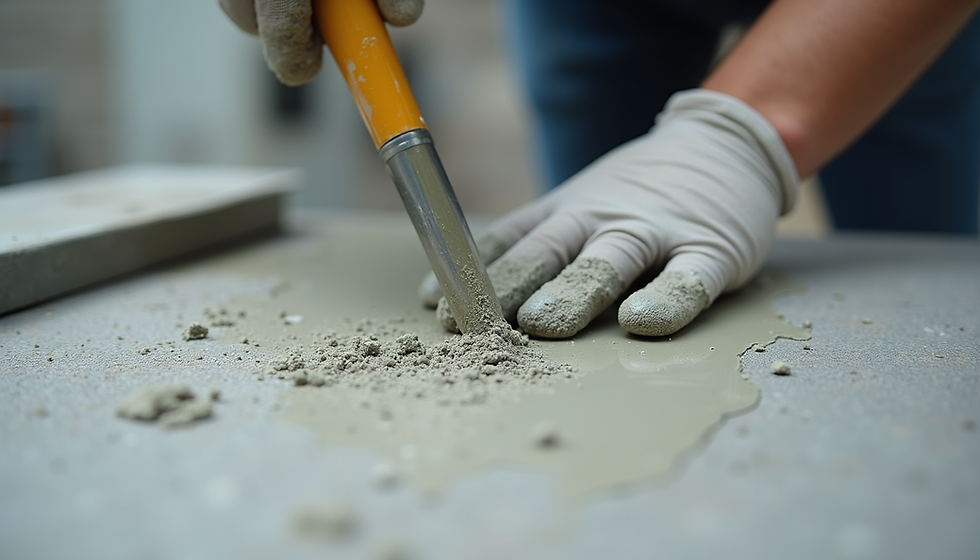
For concrete repairs, products like polymer-modified mortars and corrosion inhibitors are essential. These materials improve strength and longevity.
Managing Risks in Infrastructure Repair Projects
Risk management is vital. Delays, cost overruns, and safety incidents can derail projects. I follow these practices:
Thorough Risk Assessment
Identify potential issues early. Include environmental, technical, and logistical risks.
Contingency Planning
Prepare backup plans for common problems like weather delays or material shortages.
Safety Protocols
Enforce strict safety standards. Train workers regularly.
Regular Communication
Keep all stakeholders informed. Transparency prevents misunderstandings.
Use of Technology
Employ project management software and real-time monitoring tools.
By managing risks proactively, projects stay on track and within budget.
Final Thoughts on Infrastructure Repair Projects
Successful infrastructure repair projects depend on clear planning, quality materials, and risk management. Every step matters. From initial assessment to final testing, attention to detail ensures durability and safety.
I encourage teams to invest in the best materials and skilled labor. This approach reduces future costs and enhances public trust. For those seeking reliable concrete restoration and repair materials, partnering with a trusted supplier is key.
Remember, infrastructure repair is not just fixing what is broken. It is building resilience for the future.


Comments