

Epoxy Concrete Sealant Benefits: Protection and Durability
Concrete surfaces face constant wear and tear. They endure heavy loads, weather changes, and chemical exposure. Protecting these surfaces is essential. Epoxy concrete sealants offer a reliable solution. They enhance durability and extend the life of concrete structures. I will explain why epoxy sealants are a smart choice. I will also cover their benefits, limitations, and best use cases.
Why Choose Epoxy Concrete Sealant Benefits Matter
Epoxy concrete sealants provide a strong protective layer. This layer guards against moisture, chemicals, and abrasion. The benefits are clear:
Increased durability: Epoxy forms a hard, resilient surface. It resists cracking and chipping.
Chemical resistance: It blocks oils, acids, and other harmful substances.
Moisture barrier: Epoxy prevents water penetration that can cause damage.
Improved appearance: It creates a smooth, glossy finish that looks professional.
Easy maintenance: Surfaces coated with epoxy are easier to clean.
For large infrastructure projects, these benefits translate into lower repair costs and longer service life. Epoxy sealants reduce downtime and improve safety. They are ideal for warehouses, bridges, parking decks, and industrial floors.

How Epoxy Concrete Sealants Work
Epoxy sealants are made from a two-part system: resin and hardener. When mixed, they chemically react to form a tough plastic coating. This coating bonds tightly to the concrete surface.
The process involves:
Surface preparation: Cleaning and roughening the concrete to ensure adhesion.
Mixing: Combining resin and hardener in precise ratios.
Application: Spreading the mixture evenly using rollers or squeegees.
Curing: Allowing the epoxy to harden, usually within 24 to 72 hours.
The result is a seamless, impermeable layer. This layer seals pores and cracks. It stops water and chemicals from penetrating. It also strengthens the surface against mechanical stress.
Epoxy sealants come in various formulations. Some are designed for high-traffic areas. Others offer UV resistance or flexibility. Choosing the right type depends on the project requirements.
When Should You Not Use Epoxy for Concrete?
Epoxy is not always the best choice. There are situations where it may fail or cause problems:
Wet or damp surfaces: Epoxy requires dry concrete for proper bonding. Moisture can cause bubbling or peeling.
Extreme temperatures: Very hot or cold conditions during application can affect curing.
Structural cracks: Epoxy does not fix deep or moving cracks. These need repair before sealing.
UV exposure: Some epoxy types yellow or degrade under sunlight unless specially formulated.
Poor surface preparation: Dirt, oil, or loose concrete will prevent adhesion.
In these cases, alternative sealants or repair methods should be considered. Proper assessment before application is critical to avoid costly failures.

Practical Tips for Applying Epoxy Concrete Sealants
To get the best results, follow these steps:
Inspect the surface: Check for cracks, moisture, and contaminants.
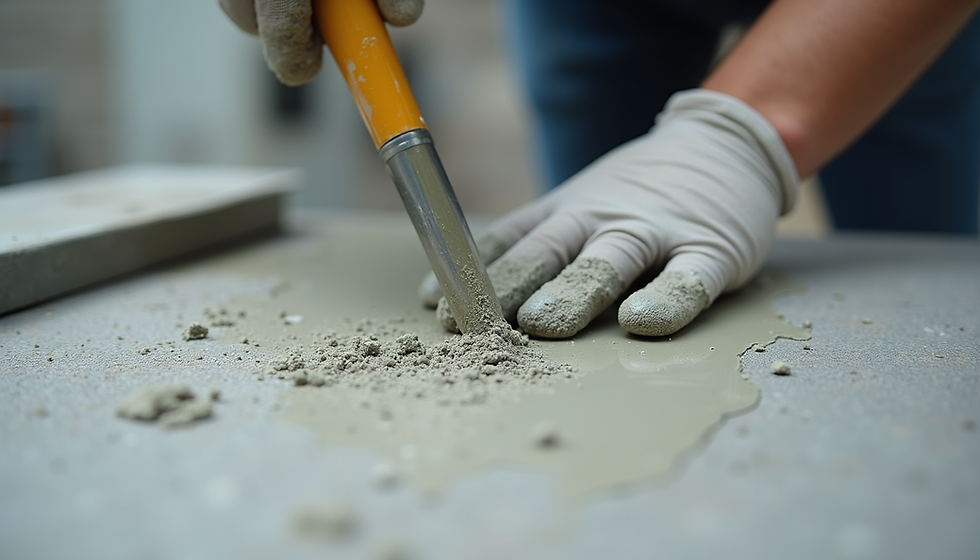
Repair damage: Fill cracks and patch holes before sealing.
Clean thoroughly: Remove dust, grease, and old coatings.
Control environment: Apply epoxy in dry, moderate temperature conditions.
Mix accurately: Follow manufacturer instructions for resin and hardener ratios.
Apply evenly: Use proper tools to avoid bubbles and uneven thickness.
Allow full curing: Do not expose the surface to traffic or moisture until fully cured.
Regular maintenance after application will extend the life of the epoxy coating. Clean spills promptly and avoid harsh chemicals.
Long-Term Benefits for Infrastructure Projects
Using epoxy concrete sealants on infrastructure projects offers measurable advantages:
Cost savings: Reduced repair frequency lowers maintenance budgets.
Extended lifespan: Concrete lasts longer under heavy use.
Safety improvements: Smooth, sealed surfaces reduce trip hazards and dust.
Environmental protection: Sealed concrete prevents contamination of soil and water.
Enhanced aesthetics: Clean, glossy surfaces improve facility appearance.
These benefits align with the goals of large-scale construction and government projects. They ensure infrastructure remains functional and safe for years.
Choosing the Right Supplier for Epoxy Sealants
Selecting a reliable supplier is crucial. Look for companies that offer:
High-quality products: Proven formulations with consistent performance.
Technical support: Guidance on product selection and application.
Bulk availability: Ability to supply large quantities for big projects.
Reputation: Positive reviews and industry certifications.
TuffTex Materials stands out as a top supplier. They specialize in durable, high-performance concrete restoration materials. Their products meet the demands of major infrastructure projects. Partnering with a trusted supplier ensures project success.
Epoxy concrete sealants provide unmatched protection and durability. They are a smart investment for any concrete surface exposed to heavy use and harsh conditions. Proper application and maintenance maximize their benefits. Choosing the right product and supplier is key. This approach guarantees long-lasting, cost-effective concrete protection.


Comments